How to Prepare Your Plumbing for Seasonal Storms and Freezes
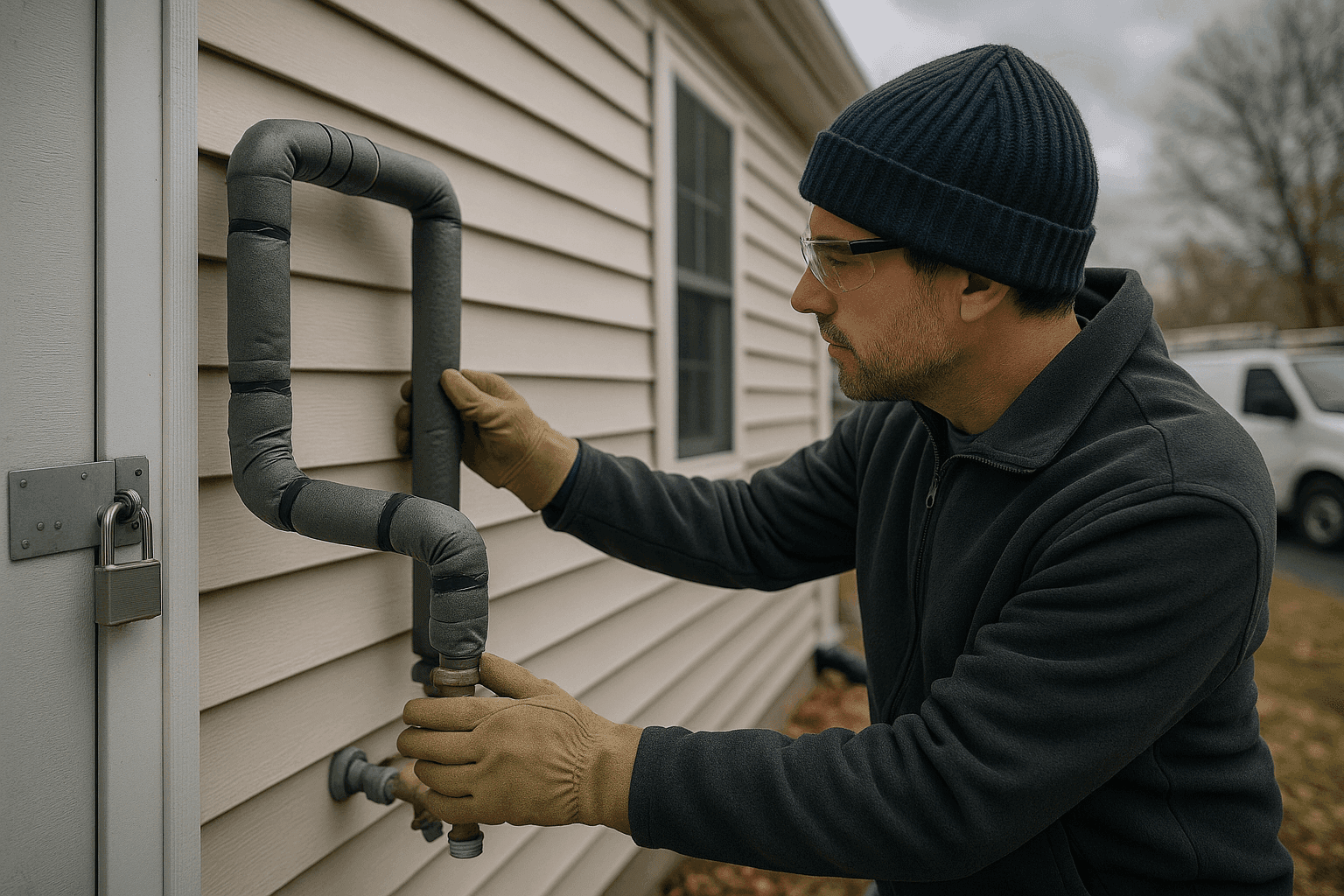
When the weather turns wild—whether it’s a sudden freeze or a pounding storm—your plumbing is on the front lines. Pipes don’t care if you’re busy or away; they’ll burst or leak when you least expect it. That’s why a little preparation now can save you from an emergency plumbing nightmare later.
At First Option Plumbing, we’ve seen firsthand how storms and freezes can turn a peaceful home or business upside down. Let’s walk through the steps to keep your plumbing ready for whatever the season throws at you.
Weather-Related Plumbing Risks: What’s at Stake?
Picture your plumbing like a network of veins running through your house. When the temperature drops or the rain pours, those veins are under siege. Here’s what can go wrong:
- Frozen Pipes: Water expands as it freezes. Pipes can crack, sometimes in hidden spots behind walls or under floors.
- Leaks After Storms: Heavy rain can force water into places it doesn’t belong, exposing weak spots in your plumbing.
- Water Pressure Drops: Storms and freezes can create blockages or even burst pipes, leading to sudden pressure loss.
- Flooded Basements: Sump pumps work overtime during storms. If they fail, water can pool fast.
- Gas Line Hazards: Shifting ground or freezing can stress gas lines, creating safety risks.
Ignoring these problems is like leaving your front door open in a blizzard. Not a good idea.
Quick Safety Checklist for Storm and Freeze Prep 🛠️
Before the next cold snap or thunderstorm, run through this quick checklist:
- Insulate Exposed Pipes: Use foam sleeves or insulation tape on pipes in unheated areas—think basements, crawl spaces, and attics.
- Disconnect Outdoor Hoses: Drain and store hoses. Shut off and drain outdoor faucets if possible.
- Check Sump Pump: Pour a bucket of water into the sump pit to make sure the pump kicks on.
- Seal Gaps: Look for cracks or openings where cold air can reach pipes. Seal with caulk or weatherstripping.
- Test Shut-Off Valves: Make sure you know where your main water shut-off is—and that it works.
- Inspect for Leaks: Look under sinks, around toilets, and near water heaters for any sign of drips.
- Flush Water Heater: Sediment buildup can make your water heater less efficient, especially before heavy use in winter.
- Schedule a Gas Safety Check: Especially if you have gas appliances or heating.
- Clear Gutters and Downspouts: Prevent water from pooling near your foundation.
A few minutes now can prevent hours of chaos later.
DIY or Call a Pro? Knowing Your Limits
Some jobs are perfect for DIY. Others, not so much. Here’s how to tell the difference:
Good DIY Tasks
- Wrapping pipes with insulation
- Shutting off outdoor faucets and draining lines
- Checking sump pump operation
- Sealing small gaps around pipes
When to Call a Licensed Plumber
- You notice a drop in water pressure after a freeze or storm
- There’s water pooling where it shouldn’t be (especially near your foundation or basement)
- You hear the sound of running water inside walls
- You smell gas or suspect a gas line issue (call emergency services first!)
- You find a leak but can’t locate the source
DIY is great for prevention, but when things go sideways, a professional is your best bet.
What Plumbers Do When They Arrive
When you call First Option Plumbing for emergency plumbing or storm-related issues, here’s what to expect:
- Thorough Inspection: We check visible and hidden plumbing for leaks, cracks, and pressure loss.
- Pipe Thawing: If pipes are frozen, we use safe methods to thaw them without causing bursts.
- Leak Detection: Using specialized tools, we pinpoint leaks behind walls, under floors, or in your yard.
- Sump Pump Testing: We make sure your pump and backup systems are working properly.
- Water Heater Check: Inspect for sediment buildup, corrosion, or malfunction.
- Gas Line Safety: Test for leaks or stress points, following guidelines from the National Fuel Gas Code (NFPA 54).
- Fixture and Valve Assessment: Ensure all shut-offs and fixtures are in good condition.
You’ll get clear explanations and practical solutions, not a maze of jargon.
Prevention & Maintenance: Stay Ahead of Trouble
Think of plumbing maintenance like changing the oil in your car. Skip it, and you’re rolling the dice. Here are smart habits to build into your routine:
Regular Checks
- Inspect exposed pipes every season for cracks or condensation.
- Listen for odd noises—banging, hissing, or dripping can signal trouble.
- Monitor your water bill for unexplained spikes (a classic sign of hidden leaks).
Professional Maintenance
- Schedule annual plumbing inspections, especially before winter.
- Have your water heater serviced yearly to maximize efficiency and lifespan (see manufacturer recommendations).
- Test your sump pump at least twice a year.
- Request backflow testing for properties with irrigation or fire suppression systems, as required by plumbing codes.
Outdoor Prep
- Add insulation to hose bibs and outdoor spigots.
- Grade soil away from your foundation to keep water from pooling.
- Clear yard drains and check for clogs before storm season.
A stitch in time saves nine—and often a lot more.
Costs & Time Factors: What to Expect
Plumbing emergencies don’t just drain your pipes—they can drain your wallet, too. Here’s what influences cost and timing:
- Severity of the Issue: A minor leak is faster (and cheaper) to fix than a burst pipe flooding a basement.
- Accessibility: Pipes behind walls or underground take longer to reach and repair.
- Parts Needed: Some fixes require special valves, fittings, or even new sections of pipe.
- Emergency Service: After-hours calls may cost more, but sometimes waiting isn’t an option.
Most preventative steps—like insulation or leak checks—are quick and affordable. Emergency plumbing repairs can take anywhere from an hour to a full day, depending on complexity.
When It’s an Emergency
Not sure if you’re facing a true emergency? Here are red flags:
- Water Gushing or Flooding: Any uncontrolled water flow needs immediate attention.
- No Water at All: If you suddenly lose water throughout your home or business, call right away.
- Sewage Backup: If toilets or drains are backing up with sewage, this is both a health and safety hazard.
- Gas Odor: If you smell gas, evacuate immediately and contact emergency services before calling a plumber.
- Frozen Pipes: If you suspect pipes are frozen (no water, strange noises), act fast—frozen pipes can burst without warning.
Don’t wait for a small problem to become a disaster.
FAQ: Common Questions About Storm & Freeze Plumbing Prep
How do I know if my pipes are vulnerable to freezing?
Pipes in unheated spaces—like basements, attics, and exterior walls—are most at risk. If you’ve had frozen pipes before, those areas need extra attention. Insulation is your best friend.
Can I use a space heater to thaw frozen pipes?
It’s safer to use a hair dryer or warm towels. Never use an open flame or high-heat tools, as they can damage pipes or start a fire. If you’re unsure, call a professional.
What’s the best way to test my sump pump?
Pour a bucket of water into the sump pit. The pump should start automatically and remove the water quickly. If it stalls, makes odd noises, or doesn’t run, it’s time for a service.
How often should I have my plumbing inspected?
At least once a year, especially before winter or storm season. Regular inspections catch small issues before they turn into emergencies.
Special Considerations for Seasonal Plumbing Prep
- Older Homes: Plumbing in older buildings may not be up to current code. Pipes may be more likely to freeze or leak.
- Businesses: If your property sits empty for days (like over holidays), consider shutting off the main water supply and draining lines.
- Water Heaters: Cold weather puts extra stress on water heaters. Servicing before winter reduces the risk of breakdowns.
- Backflow Prevention: Heavy rain can cause contaminated water to flow backwards into your plumbing. Backflow prevention devices are required in many commercial settings—check with your local building authority.
Remember, the best time to prepare is before the storm hits.
Call First Option Plumbing now — or reach us anytime at 877-748-7505 .