How to Maintain Your Home Plumbing System Year-Round
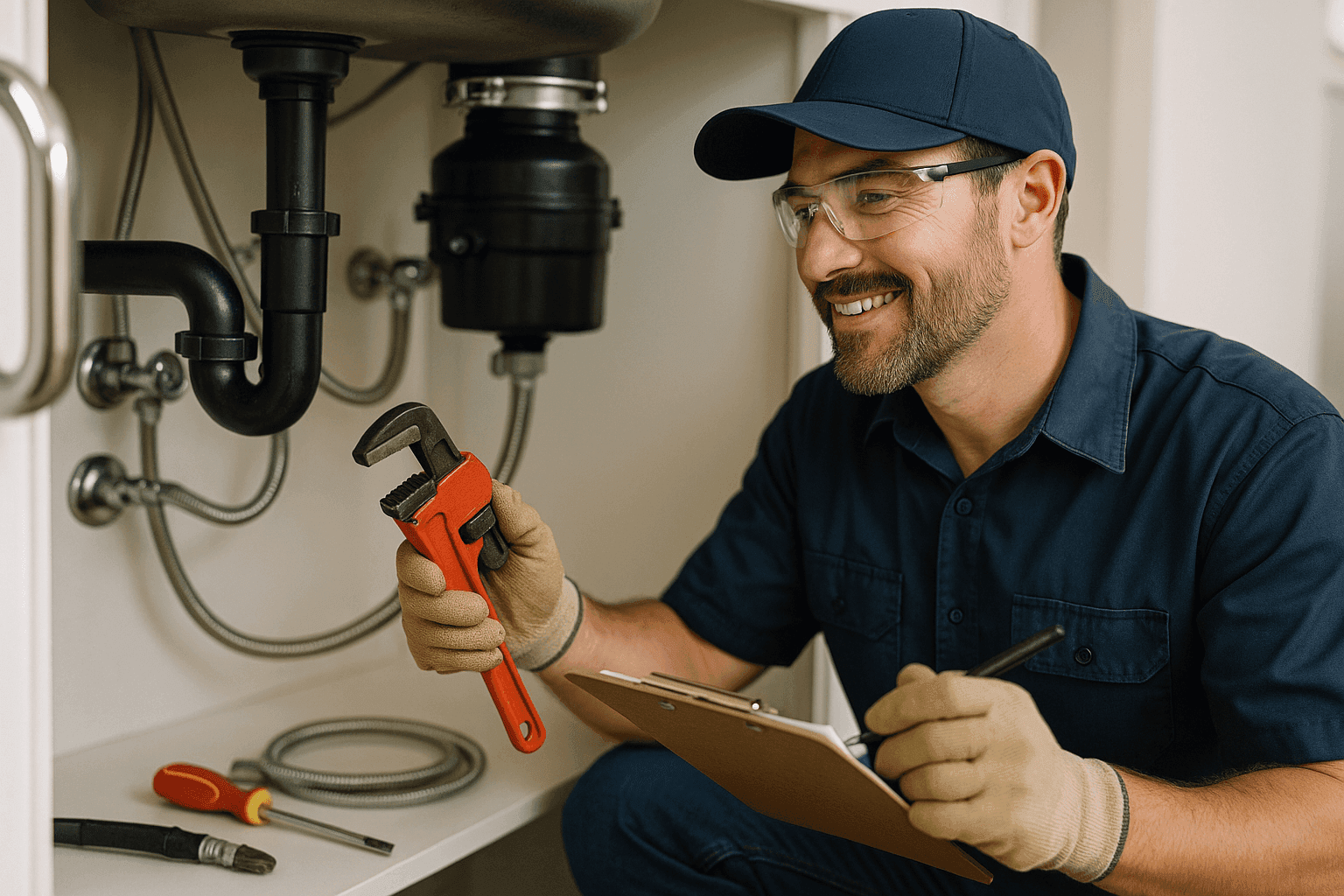
You count on your plumbing system every single day. It’s the quiet hero behind hot showers, clean dishes, and safe drinking water. But when something goes wrong, life can get messy—fast. At First Option Plumbing, we know that a little care goes a long way.
Think of your plumbing like the veins and arteries of your home or business. Ignore them, and you risk costly breakdowns. Stay on top of things, and you’ll save money, stress, and even water. Here’s how to keep your plumbing in top shape, season after season.
Why Regular Plumbing Maintenance Matters 🛠️
Imagine driving your car for years without an oil change. Eventually, something’s going to give. Plumbing is no different. Pipes, fixtures, and appliances all wear out over time. Regular maintenance helps you:
- Prevent emergencies: Small leaks turn into big floods. Clogs become backups.
- Save money: Fixing a drip now is cheaper than repairing water damage later.
- Protect your investment: Plumbing repairs can be costly. Maintenance keeps systems running longer.
- Conserve water: Leaky pipes waste thousands of gallons a year—bad for your wallet and the planet.
- Stay compliant: Building codes and safety standards (like those from the International Plumbing Code) require certain systems to be checked and maintained.
Skipping maintenance is like rolling the dice with your property. It’s just not worth it.
Seasonal Plumbing Maintenance Checklist
Each season brings its own plumbing challenges. Use this checklist to stay ahead of trouble:
Spring
- Inspect for leaks: Winter can cause hidden cracks. Check under sinks, around toilets, and in basements.
- Clean gutters and drains: Clear debris to prevent backups during spring rains.
- Test sump pumps: Pour water into the pit and make sure it runs and drains properly.
- Check outdoor faucets: Look for leaks or drips that signal frozen pipe damage.
Summer
- Inspect sprinklers and hoses: Fix leaks to avoid water waste.
- Clean drains: Summer gatherings and outdoor activities can stress kitchen and bathroom drains.
- Check water heater: Drain sediment to keep it running efficiently.
- Look for slow drains: Address minor clogs before they become emergencies.
Fall
- Insulate pipes: Focus on those in unheated spaces like garages, basements, and crawl spaces.
- Disconnect outdoor hoses: Store them to prevent freezing and cracking.
- Check for leaks: Especially in bathrooms and kitchens, where pipes are used most.
- Inspect water heater: Make sure it’s ready for increased winter use.
Winter
- Keep heat on: Even if you’re away, set the thermostat to at least 55°F to prevent frozen pipes.
- Let faucets drip: A slow trickle can keep pipes from freezing on the coldest nights.
- Open cabinet doors: Allow warm air to circulate around pipes under sinks.
- Know your main shutoff valve: In case of a burst, you’ll want to stop the water—fast.
How to Spot Early Signs of Plumbing Issues
Most plumbing disasters start small. Catching issues early can mean the difference between a quick fix and a full-blown emergency plumbing call.
- Unexplained water bills: Sudden spikes often mean hidden leaks.
- Dripping sounds: Even if you can’t see water, listen for drips behind walls or under floors.
- Low water pressure: Can signal pipe corrosion, leaks, or blockages.
- Slow drains: One slow drain is usually a clog. Multiple slow drains may point to a bigger issue in the main line.
- Wet spots or mold: Watch for water stains on ceilings, walls, or floors.
- Unusual odors: Sewer smells or musty odors can signal a broken pipe or vent.
If you notice any of these, it’s time to take action.
DIY Maintenance Tips and When to Call a Pro
You don’t need to be a plumber to keep your system healthy. Here’s what you can do safely:
Simple DIY Tasks
- Check for leaks: Look under sinks and around appliances monthly.
- Clean faucet aerators: Unscrew and rinse to remove mineral buildup.
- Clear minor clogs: Use a plunger or a drain snake—never chemical cleaners, which can damage pipes.
- Flush water heater: Drain a few gallons every 6–12 months to remove sediment.
- Test toilets: Drop food coloring in the tank. If color appears in the bowl, the flapper needs replacing.
When to Call a Pro
Some problems are best left to licensed plumbers:
- Persistent leaks: Especially those behind walls or under floors.
- Major clogs: If plungers and snakes don’t work, the blockage may be deep in your system.
- Water heater issues: Strange noises, leaks, or no hot water.
- Gas line work: Never attempt repairs or installations yourself. Gas leaks are a serious safety risk.
- Backflow prevention: Protects your water supply and often required by code.
A good rule: If you’re unsure, don’t risk it. Call for help.
Preventing Emergency Plumbing Situations 🚨
Emergencies are stressful, expensive, and sometimes dangerous. Here’s how to stack the odds in your favor:
- Know your shutoff valves: Label them and make sure everyone in your home or business knows how to use them.
- Install water alarms: These small devices can alert you to leaks before they cause major damage.
- Schedule annual inspections: A licensed plumber can spot problems you might miss.
- Upgrade old pipes: If your property has galvanized or polybutylene pipes, consider repiping for safety.
- Maintain sump pumps: Test them regularly, especially before heavy rains.
- Insulate exposed pipes: Especially in unheated spaces to prevent freezing.
According to the American Water Works Association, proactive maintenance can reduce the risk of plumbing failures by up to 60%. That’s peace of mind you can count on.
Frequently Asked Questions
How often should I have my plumbing inspected?
At least once a year. More often if you have an older system or notice recurring issues.
What’s the best way to prevent frozen pipes?
Insulate pipes in unheated areas, keep your heat on during cold snaps, and let faucets drip when temperatures drop below freezing.
Can I use chemical drain cleaners?
It’s best to avoid them. They can corrode pipes and harm the environment. Use a plunger, drain snake, or call a professional for stubborn clogs.
How do I know if I have a hidden leak?
Look for unexplained increases in your water bill, musty smells, or water stains. A plumber can use leak detection tools to find hidden problems.
Special Considerations for Homeowners and Small Business Owners
If you own a business, plumbing issues can disrupt operations and lead to lost revenue. Regular maintenance is even more critical—consider scheduling service during off-hours to minimize downtime.
Homeowners should pay extra attention to areas that don’t get much use, like guest bathrooms or basements. Stagnant water can lead to odors and even pipe damage over time.
If your building is older, ask about upgrades like water filtration systems, backflow prevention devices, or repiping. These investments can improve safety and efficiency.
Ready to Protect Your Plumbing Investment?
A little prevention now can save you a lot of trouble down the road. Whether you need routine maintenance or emergency plumbing help, First Option Plumbing is here for you.
Call First Option Plumbing now — or reach us anytime at 877-748-7505 .