How to Safely Inspect and Maintain Your Home’s Gas Lines
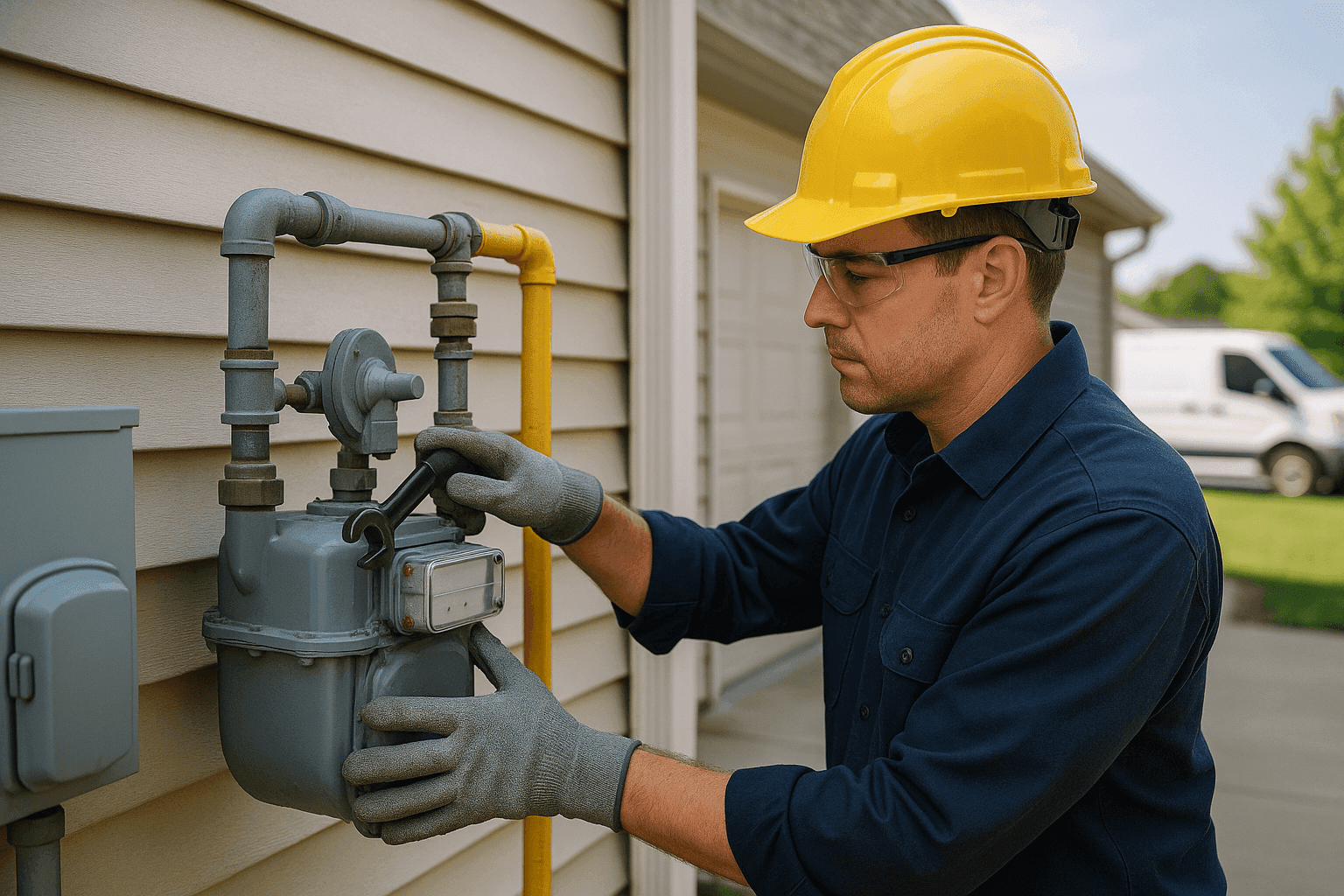
Gas lines are the silent lifelines of modern homes and small businesses. You rarely think about them—until something smells off or a hissing sound interrupts your day. That’s when the stakes become real. Gas leaks can be as dangerous as a candle in a hay barn. The risk isn’t just property damage; it’s your safety and peace of mind.
At First Option Plumbing, we know how unsettling it feels to suspect a gas leak or worry about hidden dangers. That’s why we’re sharing practical, straightforward tips to help you spot problems early, keep your family or business safe, and understand when emergency plumbing help is the best call.
Why Gas Line Issues Matter
Gas lines carry invisible power. When they work, you get hot showers, warm meals, and cozy rooms. But when there’s a problem, it can escalate quickly.
Common gas line issues include:
- Rust or corrosion on exposed pipes
- Loose fittings or connections
- Aging or brittle piping
- Small leaks that build up over time
- Damage from home renovations or landscaping
Gas leaks are especially dangerous because natural gas is odorless until a chemical called mercaptan is added. That’s the “rotten egg” smell you might notice. Even tiny leaks can lead to big problems—fires, explosions, or serious health risks.
Quick Safety Checklist 🛑
Before you even think about inspecting your gas lines, safety comes first. Here’s a quick checklist to keep you and your loved ones protected:
- Never use open flames (matches, lighters) near suspected leaks.
- Don’t flip switches or use electronics if you smell gas.
- Ventilate the area by opening windows and doors.
- Evacuate immediately if you suspect a strong leak.
- Know where your gas shut-off valve is—and how to use it.
- Keep emergency plumbing numbers handy.
Your safety is always more important than a quick fix. If your gut says something’s wrong, trust it and step outside.
How to Visually Inspect Gas Lines—Safely
You don’t need a toolbox to spot warning signs. Just a keen eye and a little patience.
What to look for:
- Rust or discoloration: Check for reddish-brown spots or flaking on pipes.
- Loose fittings: Look at joints and connections for gaps or movement.
- Hissing sounds: Even a faint hiss can mean gas is escaping.
- Dead plants: If your landscaping suddenly wilts near buried gas lines, it’s a red flag.
- Unusual smells: That sulfur or rotten egg odor is a clear warning.
How to inspect safely:
- Inspect during daylight, so you can see clearly.
- Don’t touch or move pipes—just look and listen.
- If anything seems off, stop. Call a professional.
DIY vs. Call a Pro: Where to Draw the Line
It’s tempting to roll up your sleeves and handle things yourself. But gas lines aren’t like a leaky faucet or a clogged drain. Mistakes can be costly—or even deadly.
Safe for DIY:
- Checking for visible rust or corrosion
- Smelling for gas odors
- Learning where shut-off valves are
Leave to the pros:
- Tightening or replacing fittings
- Repairing or installing gas lines
- Pressure testing for leaks
- Any work inside walls, under floors, or outdoors
Professional plumbers are trained, licensed, and insured for a reason. They use specialized tools and follow strict codes—like those from the National Fuel Gas Code (NFPA 54)—to keep you safe.
What Plumbers Do When They Arrive
When you call First Option Plumbing for a gas line concern, here’s what you can expect:
- Assessment: We listen to your concerns and check the suspected problem area.
- Leak detection: Using electronic sniffers and soap solution, we pinpoint leaks without guesswork.
- Pressure testing: We may pressurize the line to check for hidden leaks.
- Repairs: Only after confirming the issue do we repair or replace damaged sections, following all safety codes.
- Inspection: We test the system again to make sure everything is secure and safe.
We also document our work, so you have a record for your peace of mind—and for insurance, if needed.
Prevention & Maintenance Tips
A little care goes a long way. Like changing the oil in your car, regular gas line maintenance helps prevent emergencies.
Seasonal maintenance tips:
- Inspect exposed gas pipes before winter and summer. Temperature swings can stress older pipes.
- Keep areas around gas appliances clean and clutter-free.
- Schedule annual gas safety checks with a licensed plumber.
- After any home renovation, have gas lines inspected—even if the work wasn’t near the pipes.
- If you have a gas water heater or boiler, follow the manufacturer’s maintenance schedule.
Extra tip: Install carbon monoxide detectors near sleeping areas and gas appliances. CO is invisible and odorless but just as dangerous as a gas leak.
Costs & Time Factors
Gas line inspection and repair costs can vary, like the price of fixing a car—it depends on the make, model, and what’s wrong.
What affects cost and time:
- The length and location of the gas line
- How easy it is to access the pipes
- The severity of the leak or damage
- Any parts or permits needed
Simple inspections may take less than an hour. Repairs or new installations can take several hours or more, depending on complexity. Remember, investing in safety now can prevent much bigger bills down the road.
When It’s an Emergency
Some gas line problems can’t wait. If you notice any of these, treat it like a fire drill:
- Strong gas odor indoors or outdoors
- Hissing or roaring sound near a gas line
- Physical symptoms: dizziness, nausea, headaches
- Flames or scorched marks near gas appliances
What to do:
- Evacuate everyone from the building immediately.
- Leave doors open as you exit.
- Do not use phones, lights, or electrical switches inside.
- Once outside and safe, call your gas utility and emergency plumbing help.
Never try to fix an emergency gas leak yourself. Your safety is the priority.
FAQ: Gas Line Safety
How often should gas lines be inspected?
Industry standards recommend annual inspections for gas lines, especially in older homes or buildings with frequent appliance use. After any major storm, earthquake, or renovation, it’s wise to get a checkup.
What are the health risks of a gas leak?
Exposure to natural gas can cause headaches, dizziness, nausea, and fatigue. High concentrations can be life-threatening. Carbon monoxide, a byproduct of incomplete combustion, is especially dangerous and requires immediate action.
Can I use soapy water to check for leaks?
Yes, applying soapy water to joints and watching for bubbles is a common test. But remember, this is only for visible, accessible pipes—and it’s not a substitute for professional leak detection.
Are there codes or standards for gas lines?
Absolutely. The National Fuel Gas Code (NFPA 54) and local building codes set strict requirements for materials, installation, and repairs. Licensed plumbers are trained to follow these rules to the letter.
Special Considerations for Gas Line Service
Not all gas lines are created equal. Some homes have older, steel pipes that corrode more easily. Others use flexible corrugated stainless steel tubing (CSST) that must be properly grounded to prevent electrical hazards.
If you’re adding new appliances, remodeling, or switching fuel types, always consult a licensed plumber first. Proper sizing, venting, and installation are crucial for safety and efficiency.
For small business owners, regular gas safety checks are even more important. Employee and customer safety isn’t just good practice—it’s the law in many places.
Gas line safety isn’t something to leave to chance. If you see, smell, or hear anything unusual—or just want peace of mind—reach out for professional help.
Call First Option Plumbing now — or reach us anytime at 877-748-7505 .