Garbage Disposal Not Working? Top Troubleshooting Tips
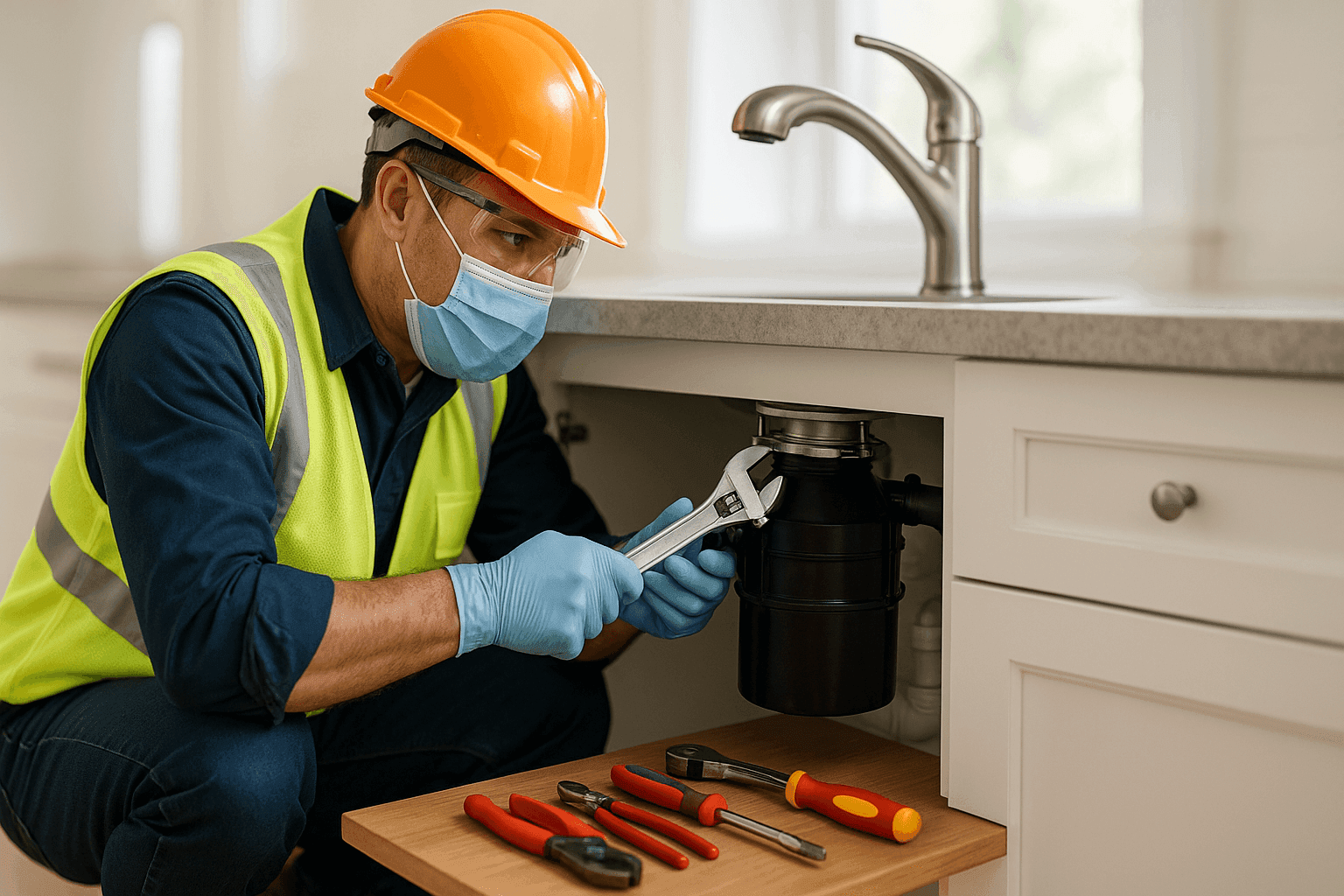
Ever had your kitchen grind to a halt because the garbage disposal quit? It’s frustrating, sometimes smelly, and always inconvenient—especially when you just finished hosting a big family meal or tackling a week’s worth of leftovers. At First Option Plumbing, we know how a jammed or silent disposal can throw off your whole routine.
Before you reach for the phone, take a breath. Some fixes are quick and safe, while others need a pro’s touch. Let’s walk through the most common problems, safe troubleshooting steps, and when it’s time to bring in emergency plumbing help.
Common Garbage Disposal Problems 😬
Garbage disposals are kitchen workhorses, but even the toughest machines hit a snag. Here are the usual suspects:
- It won’t turn on: No sound, no hum, just silence.
- It hums but doesn’t spin: The motor’s alive, but the blades aren’t moving.
- It’s jammed: You hear a clattering noise, or water drains slowly.
- There’s a bad smell: Food bits trapped inside start to rot.
- It leaks: Water pooling under the sink or dripping from the unit.
Think of your disposal like a blender bolted under your sink. When things gum up, it’s often a stuck blade, a tripped switch, or something blocking the works. And during holidays—when potato peels, turkey bones, and greasy leftovers get dumped en masse—disposals face their toughest workouts.
Quick Safety Checklist Before You Start
Safety always comes first—your garbage disposal combines electricity, metal blades, and water. That’s a risky mix.
- Unplug the unit or switch off the breaker: Never trust the wall switch alone.
- Never put your hand inside: Use tongs, pliers, or a wooden spoon if you need to move anything inside.
- Keep water away from electrical outlets: Dry your hands and workspace before working.
- Use a flashlight: You want to see what you’re dealing with.
- Have the right tools: Most jams can be tackled with a hex key (Allen wrench), pliers, or a wooden spoon.
Refer to your disposal’s manual or the latest National Electrical Code (NEC) for kitchen appliance safety guidelines.
DIY Checks: Reset, Unjamming, and Cleaning
Sometimes, a stubborn disposal just needs a little nudge. Here’s how you can safely try to fix it yourself:
1. Hit the Reset Button
- Find the red or black reset button on the bottom of the unit.
- If it’s popped out, press it firmly.
- Restore power and try the switch again.
2. Unjamming the Blades
- Turn off all power to the unit.
- Insert a hex key into the hole at the bottom center of the disposal.
- Gently turn left and right to free up the flywheel. If it moves, the jam is likely cleared.
- Remove any visible objects—again, use tools, not fingers.
3. Cleaning and Odor Removal
- Pour a mix of ice cubes and salt into the disposal, run cold water, and let it grind for a few seconds to clean the blades.
- Use lemon peels for a fresh scent, but avoid fibrous scraps like celery or corn husks.
If these steps don’t work, or if you feel uncomfortable, call for emergency plumbing help. Electrical and mechanical risks aren’t worth a trip to the ER.
When to Call a Pro: DIY vs. Professional Repair 🛠️
Some problems are best left to a trained plumber, especially when:
- The unit won’t turn on, even after resetting.
- There’s a persistent leak.
- You hear grinding metal or smell burning.
- The circuit breaker keeps tripping.
- The jam won’t budge after several attempts.
Plumbers have specialized tools, replacement parts, and the know-how to handle stubborn or hazardous situations. At First Option Plumbing, we’re ready for emergency calls—whether it’s a minor fix or a full replacement.
What Pros Do On Arrival
Here’s what a licensed plumber brings to the scene:
- Thorough inspection: Checking electrical connections, seals, and drainage.
- Safe disassembly: Removing clogs or foreign objects without damage.
- Leak detection: Tracing water or waste leaks along the pipes and fittings.
- Testing and code compliance: Making sure your unit meets local plumbing and electrical codes (per IPC and NEC).
- Advice on replacement: If your disposal is outdated or unsafe, we’ll guide you on the next steps.
Prevention & Maintenance Tips 🧼
You can dramatically extend your disposal’s life with a few habits:
- Run cold water before, during, and after use: Keeps food moving and prevents overheating.
- Feed food waste slowly: Don’t overload the unit.
- Avoid fibrous, starchy, or hard items: Bones, coffee grounds, eggshells, and pasta can jam or dull the blades.
- Clean regularly: Ice, salt, and small citrus peels keep it fresh.
- Check for leaks often: Catch small drips before they become big problems.
Keep your disposal’s manual handy, and don’t forget routine inspections—especially before and after the holiday season.
Costs & Time Factors
Repair costs vary based on the problem and the age of your disposal. Most minor jams or resets take under an hour. More serious issues—like electrical failure or leaks—can take longer or require replacement. Always weigh the cost of repeated repairs against a new, energy-efficient model.
Replacement usually takes 1–2 hours, depending on access and plumbing configuration.
When It’s an Emergency
Some disposal problems can’t wait:
- Major leaks threatening cabinets or floors
- Electrical shorts or burning smells
- Sewage odors—could signal a deeper drain or sewer line issue
- Flooding under the sink—risk of water damage or mold
If any of these happen, call an emergency plumbing service immediately. Water and electricity are a dangerous mix—don’t risk injury or costly repairs.
FAQs: Garbage Disposal Issues
What shouldn’t I put down the disposal?
Avoid bones, grease, fibrous veggies (like celery), and starchy foods like pasta or rice. These can clog or damage the unit.
Is it safe to use chemical drain cleaners?
No. Chemical cleaners may damage seals and metal parts. Stick to mechanical fixes or call a pro.
How often should my disposal be checked?
At least once a year, or before major events (like holidays) if you use it heavily.
Can a disposal problem cause sink backups?
Yes. If the disposal clogs, it can block the entire drain line—sometimes requiring a full drain cleaning near you.
Local and Seasonal Considerations 🎉
In many homes, garbage disposals work hardest during holidays. Big gatherings mean more food waste—think potato skins, turkey bones, and holiday treats. Local habits matter, too; in some areas, composting is common, while others rely on the disposal for most kitchen scraps.
During cold months, grease and fat solidify faster, which can clog both the disposal and pipes. After big meals or parties, run plenty of cold water and break up scraps before grinding.
If you notice more frequent clogs or slow drains, consider a professional inspection. It’s better to schedule preventive maintenance than to face an emergency plumbing call at midnight.
For fast, safe help with any garbage disposal problem, Call First Option Plumbing now — or reach us anytime at 877-748-7505 .