Complete Guide to Preventing Plumbing Emergencies Year-Round
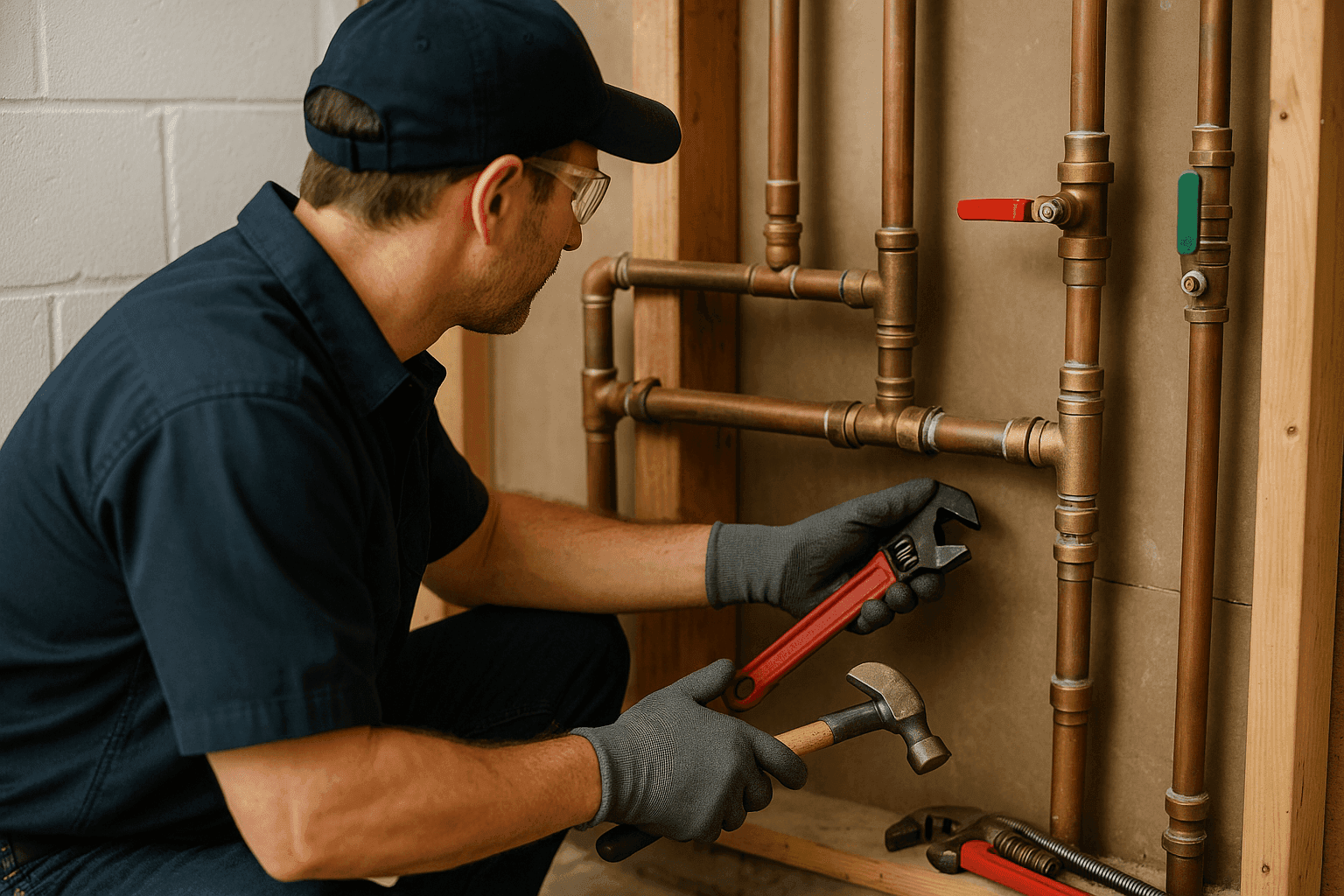
Plumbing emergencies don’t wait for a convenient moment. They strike at midnight, during family gatherings, or right before an important business meeting. The good news? Most disasters can be avoided with a little foresight and know-how.
At First Option Plumbing, we’ve seen it all—burst pipes, flooded basements, and frantic phone calls. We believe prevention is the best way to keep your home or business safe, dry, and worry-free. This guide will help you spot trouble before it starts and give you the confidence to handle your plumbing with care.
Why Prevention Is Critical
Imagine your plumbing system as the veins of your property. When everything flows smoothly, you hardly notice it. But one small leak or clog can snowball into a full-blown emergency, causing costly damage and major stress.
Prevention isn’t just about avoiding messes. It’s about protecting your investment, saving money on repairs, and giving yourself peace of mind. According to the International Association of Certified Home Inspectors (InterNACHI), routine plumbing maintenance can extend the life of your pipes and fixtures, and help you avoid unexpected breakdowns.
Common Causes of Plumbing Emergencies 🚨
Plumbing emergencies rarely happen out of the blue. Here are the most common culprits we encounter:
- Clogged Drains: Hair, grease, and debris build up over time, blocking water flow.
- Burst Pipes: Often due to freezing, corrosion, or high water pressure.
- Leaking Fixtures: Dripping faucets and running toilets waste water and can lead to bigger issues.
- Water Heater Failures: Sediment buildup or faulty valves can cause leaks or loss of hot water.
- Sewer Backups: Tree roots, collapsed lines, or heavy rains can overwhelm your system.
- Gas Leaks: Damaged or aging gas lines are dangerous and require immediate attention.
Each of these problems starts small. Regular checks and maintenance keep them from turning into disasters.
Seasonal Risks: Weather and Plumbing
Every season brings its own set of plumbing challenges. Knowing what to expect can help you stay one step ahead.
Winter: Freezing Pipes
When temperatures drop, water can freeze inside pipes. Ice expands, putting pressure on the pipe walls until they burst. The aftermath? Flooded rooms and expensive repairs.
Tips:
- Insulate exposed pipes in basements, attics, and crawl spaces.
- Keep a trickle of water running on the coldest nights.
- Disconnect outdoor hoses and shut off exterior faucets.
Spring: Heavy Rains and Flooding
Melting snow and spring storms can overwhelm drains and sump pumps, leading to basement flooding.
Tips:
- Test your sump pump before the rainy season.
- Clear gutters and downspouts.
- Check for leaks around windows and foundations.
Summer: Tree Roots and High Usage
Warm weather means more showers, laundry, and outdoor activities. Tree roots seek out water and can invade sewer lines.
Tips:
- Schedule a sewer line inspection if you have mature trees nearby.
- Watch for slow drains or gurgling toilets.
Fall: Leaves and Debris
Falling leaves can clog gutters and outdoor drains, increasing the risk of water backing up into your home.
Tips:
- Clean gutters regularly.
- Rake leaves away from exterior drains.
Essential Preventative Maintenance Tasks
A little effort goes a long way. Here’s what you should do year-round to keep your plumbing healthy:
Leak Detection
- Check under sinks, around toilets, and behind appliances for moisture.
- Watch for signs of mold, mildew, or water stains.
- Listen for dripping sounds or running water when everything is off.
Drain Cleaning
- Use strainers in sinks and tubs to catch hair and debris.
- Avoid pouring grease or coffee grounds down the drain.
- Flush drains with hot water or a safe, non-corrosive cleaner monthly.
Sump Pump Checks
- Pour a bucket of water into the sump pit to test the pump.
- Make sure the discharge pipe is clear and directs water away from your foundation.
- Replace the battery backup every 2–3 years.
Pipe Inspections
- Look for corrosion, rust, or mineral deposits on exposed pipes.
- Check for loose fittings or joints.
- Have a professional inspect hidden pipes every few years.
Water Heater Maintenance
- Drain a few gallons from the tank every six months to remove sediment.
- Check the temperature setting (120°F is usually ideal).
- Inspect for leaks or rust around the base.
Fixture and Appliance Checks
- Tighten loose faucet handles and replace worn washers.
- Inspect hoses on washing machines and dishwashers for bulges or cracks.
- Test toilets for silent leaks using a few drops of food coloring in the tank.
Backflow Prevention and Testing
- Schedule annual backflow testing for your property, as recommended by the Environmental Protection Agency (EPA).
- Install backflow preventers on irrigation systems and outdoor faucets.
How to Spot Early Warning Signs
Catching problems early is like noticing a squeaky hinge before the door falls off. Here’s what to watch for:
- Water Pressure Drops: Sudden loss of pressure can signal a leak or blockage.
- Unusual Noises: Banging, gurgling, or whistling pipes aren’t normal.
- Slow Drains: Water pooling around your feet in the shower? Time to check the drain.
- Discolored Water: Rusty or cloudy water can indicate pipe corrosion or sediment.
- Unpleasant Odors: Persistent smells from drains or toilets may mean a sewer issue.
If you notice any of these, don’t ignore them. Addressing small issues now prevents big headaches later.
Emergency Preparedness: What to Do Before Help Arrives
Sometimes, despite your best efforts, emergencies happen. Being prepared can help you minimize damage and stay calm.
Quick Safety Checklist
- Know Your Main Shut-Off Valve: Locate it and make sure everyone in the household knows how to turn it off.
- Keep Plumber’s Contact Info Handy: Save First Option Plumbing’s number where you can find it fast.
- Have Basic Tools Ready: Plunger, adjustable wrench, flashlight, and towels.
- Clear the Area: Move valuables and electronics away from water sources.
- Turn Off Electricity (If Safe): Water and electricity don’t mix. If flooding occurs near outlets, shut off power at the breaker.
DIY Fixes vs. When to Call a Professional
Some minor issues are safe to tackle on your own. Others require a trained hand.
Safe DIY Tasks
- Unclogging a simple drain with a plunger.
- Tightening a loose faucet handle.
- Replacing a worn toilet flapper.
When to Call a Professional
- Burst pipes or major leaks.
- Sewer backups or persistent drain clogs.
- Gas line issues or strange odors.
- Water heater malfunctions or leaks.
- No hot water or fluctuating water pressure.
Professional plumbers follow strict safety codes, such as those outlined by the Uniform Plumbing Code (UPC) and the National Standard Plumbing Code. They have the tools and training to fix problems without causing further damage.
What Plumbers Do When They Arrive
When you call First Option Plumbing for emergency plumbing, here’s what you can expect:
- Assessment: We quickly identify the source of the problem and assess the risk.
- Containment: We shut off water, gas, or electricity as needed to prevent further damage.
- Repair: We use industry-approved methods and quality parts to fix the issue.
- Safety Checks: We inspect for related problems and ensure everything meets current safety standards.
- Cleanup: We leave your home or business as tidy as we found it.
Prevention & Maintenance: Building a Year-Round Routine 🛠️
Consistency is your best friend. Build these habits into your monthly, seasonal, and annual routines:
- Monthly: Check for leaks, clean drains, inspect appliances.
- Seasonally: Prepare for weather changes, test sump pumps, insulate pipes.
- Annually: Schedule a professional plumbing inspection and backflow testing.
Keep a maintenance log. Note the date and results of each task. This helps you spot patterns and provides valuable information if you ever need repairs.
Costs & Time Factors
Preventative maintenance is an investment that pays off in the long run. Here’s what to expect:
- Time: Most DIY checks take minutes. Professional inspections usually take 1–2 hours.
- Cost: Routine maintenance is a fraction of what you’d pay for emergency plumbing repairs. For example, fixing a small leak costs far less than repairing water damage from a burst pipe.
Remember: Delaying repairs or skipping maintenance can lead to higher bills and bigger headaches.
When It’s an Emergency
How do you know if it’s truly an emergency? Here are clear signs:
- Water is gushing or flooding an area.
- You smell gas or suspect a gas leak.
- Sewage is backing up into sinks, tubs, or toilets.
- No water is coming from your taps.
- A pipe has burst, or a major fixture is leaking uncontrollably.
In these cases, act fast. Shut off the main water or gas supply, clear the area, and call for help.
Frequently Asked Questions
How often should I have my plumbing inspected?
Most homes and businesses benefit from an annual inspection. If your property is older or you’ve had plumbing issues before, schedule checks more frequently.
Can I use chemical drain cleaners?
It’s best to avoid harsh chemicals. They can damage pipes and harm the environment. Use a plunger or a safe enzymatic cleaner instead.
What’s the best way to prevent frozen pipes?
Insulate exposed pipes, keep cabinets open during cold snaps, and let a small trickle of water run overnight when temperatures drop below freezing.
Do I really need backflow testing?
Yes. Backflow testing is important for protecting your drinking water from contamination. Many building codes and health departments require it annually.
Special Considerations for Homeowners and Small Business Owners
Every property is unique. Homes may have older pipes, while businesses often have higher water usage and stricter safety requirements. If you own a business, schedule plumbing checks outside of peak hours to avoid disruptions.
If you’re planning renovations or upgrades, consult a licensed plumber to ensure everything meets current codes and standards. Consider installing water filtration systems or pressure regulators for added protection and efficiency.
Plumbing emergencies can be overwhelming, but you don’t have to face them alone. Regular maintenance, seasonal preparation, and knowing when to call for help can make all the difference.
Call First Option Plumbing now — or reach us anytime at 877-748-7505 .