How to Choose the Right Water Filtration System for Your Home
Are you pouring yourself a glass of water and wondering if it’s as pure as it looks? You’re not alone. With so many headlines about water quality, it’s natural to worry about what’s really coming from your tap.
At First Option Plumbing, we know how confusing it can get. Water filtration isn’t just about taste—it’s about the health and safety of your family. Let’s break down what matters, so you can feel confident about every drop.
Why Water Filtration Matters 💧
Think of your home’s tap water like a busy city street. Most of the time, everything flows fine. But sometimes, something unwanted sneaks in—rust, chlorine, even lead or bacteria. That’s where water filtration steps in, acting like a crossing guard for your water supply.
Clean water isn’t just about quenching thirst. It’s about protecting your pipes, your appliances, and your loved ones. Contaminants can lead to everything from strange tastes to real health risks. The Environmental Protection Agency (EPA) and Centers for Disease Control and Prevention (CDC) both stress the importance of filtering out harmful substances, especially if you’re on well water or live in an area with aging infrastructure.
Types of Filtration Systems
No two homes are the same—and neither are your water needs. Here’s a quick tour of the most common options:
Pitcher Filters
- Pros: Affordable, portable, easy to use.
- Cons: Only filters small batches at a time; needs frequent refills.
- Best for: Renters, small families, anyone looking for a quick fix.
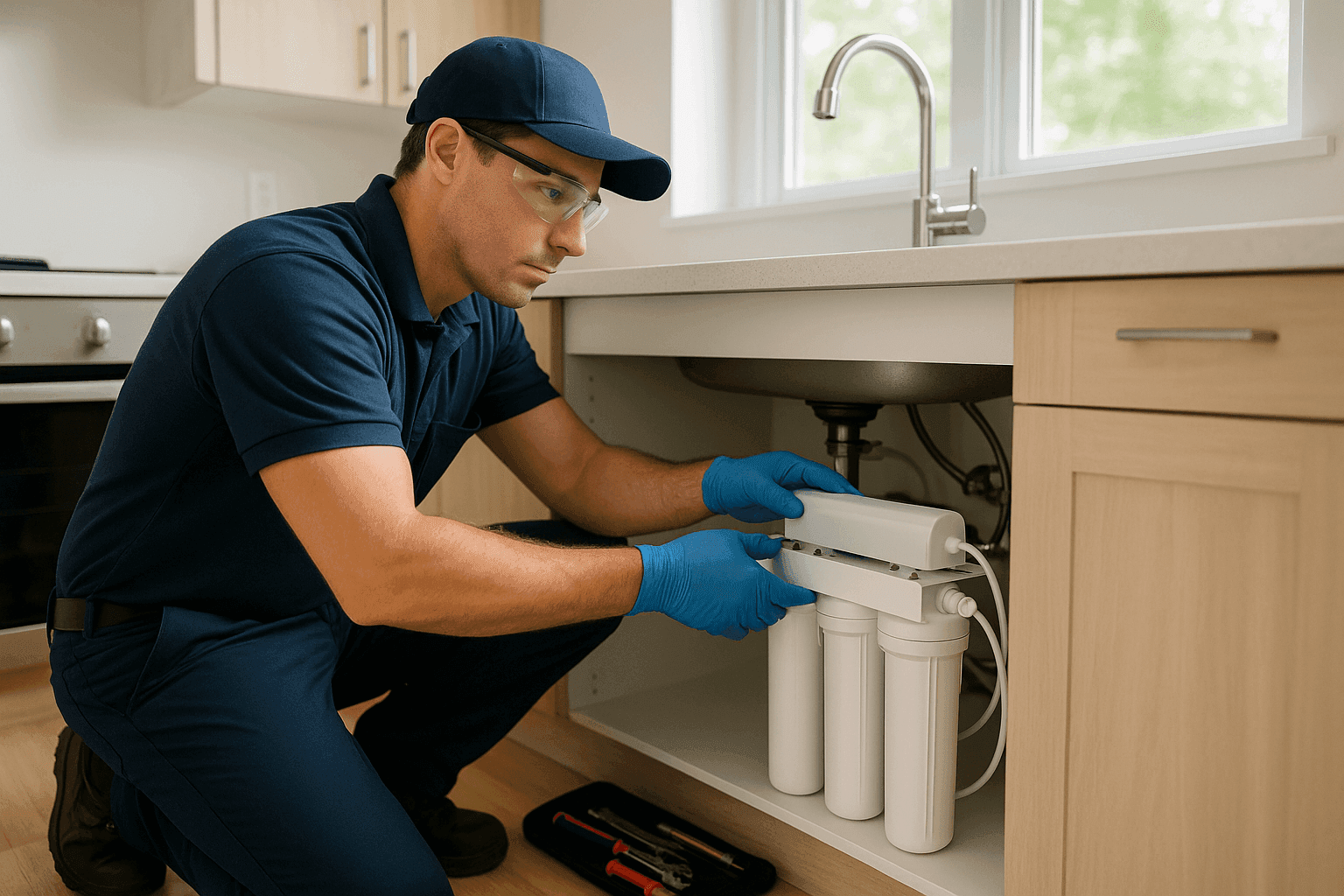
Under-Sink Filters
- Pros: Discreet, filters water for a single tap, more powerful than pitchers.
- Cons: Higher upfront cost; professional installation often recommended.
- Best for: Homeowners who want filtered water for drinking and cooking.
Whole-Home Filtration
- Pros: Filters water for every tap, protects pipes and appliances from sediment and scale.
- Cons: Costs more; requires space and professional setup.
- Best for: Families, homes with hard water, or those using well water.
Not sure which type fits? Imagine you’re packing for a trip. Pitchers are like a day bag—good for the basics. Under-sink is your carry-on—roomy, but not for everything. Whole-home is the checked suitcase, covering all your bases.
Key Features to Consider
When you’re shopping for a water filtration system, look beyond the box. Here’s what matters most:
- Contaminant Removal: Check for NSF/ANSI certification. These stamps mean the filter meets national safety standards.
- Filter Type: Activated carbon, reverse osmosis, UV light, or a mix. Each targets different contaminants. For example, carbon excels at removing chlorine and odors; reverse osmosis tackles lead and nitrates.
- Water Pressure: Some filters slow down flow. If you already have low water pressure, choose a high-flow model.
- Capacity: How many gallons before you need a new filter? Higher capacity means less hassle.
- Installation: DIY-friendly filters exist, but some (especially whole-home) need pro installation to meet local plumbing codes.
Maintenance and Lifespan 🛠️
A water filter is not a “set it and forget it” device. Think of it like changing the oil in your car—skip it, and you’ll notice problems fast.
- Cartridge Replacement: Mark your calendar. Most pitcher and under-sink filters need new cartridges every 2–6 months. Whole-home systems can stretch to 6–12 months.
- System Cleaning: Mineral buildup is real, especially with hard water. Follow the manufacturer’s maintenance guide.
- Annual Testing: Get your water tested yearly, especially if you’re on a well or have had past issues. Local health departments and certified labs offer these services. The CDC recommends regular checks for bacteria, nitrates, and local contaminants.
Ignoring maintenance is like leaving your front door open in a rainstorm. Eventually, trouble finds a way in.
Local Water Quality: Hard Water, Wells, and City Supply
Where you live shapes what you need. Here’s how:
- Hard Water: If you see white spots on your dishes or struggle with stiff laundry, you probably have hard water. A system with a water softener can help.
- Well Water: Wells can carry bacteria, iron, and even pesticides. Test your well at least once a year and choose a filter rated for microbial and chemical contaminants.
- City Supply: Municipal water is treated, but old pipes can add rust or lead. A good carbon filter removes chlorine taste, while reverse osmosis or a lead-rated system tackles metals.
Some regions face unique issues—arsenic in the Southwest, agricultural runoff in rural areas, or industrial chemicals near urban centers. The EPA’s Safe Drinking Water Hotline (1-800-426-4791) and annual Consumer Confidence Reports are helpful resources for learning about local water quality.
Certified Product Recommendations
Look for filters certified by NSF International or the Water Quality Association. These organizations set strict standards and test products for real-world performance. If you’re unsure, check the product packaging or ask your plumber for advice.
Water Quality Testing: Know Before You Buy
Before investing in a system, it pays to know what’s in your water. Home test kits offer a snapshot, but lab tests are more accurate. For well owners, annual tests are a must. For city water, review your local water report and consider extra testing if you notice changes in taste, odor, or color.
Maintenance and Lifespan: What to Expect
Let’s be honest—life gets busy. But skipping filter changes is like never taking out the trash. Over time, a clogged filter can let contaminants slip through or even lower your water pressure.
- Pitchers: Replace the cartridge every 2 months (or as directed).
- Under-sink: Change filters every 6 months for most brands.
- Whole-home: Annual or biannual replacement, but check for sediment buildup more often in hard water areas.
A quick tip: Set a calendar reminder or pick a change date that’s easy to remember, like daylight saving time.
Practical Tips for Choosing the Right System ⚡
- Test your water first.
- Make a list of your main concerns (taste, odor, safety).
- Decide where you want filtered water (one tap or the whole house).
- Compare certified filters that target your specific contaminants.
- Factor in installation and ongoing maintenance.
If you’re facing plumbing issues like leaks, low pressure, or frequent clogs, address those first. Sometimes, what looks like a water quality problem is really a hidden plumbing issue. That’s where emergency plumbing and drain cleaning near you become essential.
Maintenance and Lifespan
Let’s repeat it because it matters: Maintenance keeps your system working. Don’t let your water filter become an afterthought.
- Read the manual—every system is different.
- Keep extra cartridges on hand for emergencies.
- Schedule annual water testing, especially for well users.
A neglected filter is like a closed umbrella in a thunderstorm—useless when you need it most.
Frequently Asked Questions
How do I know what’s in my water?
Start with your local water report or a home test kit. For private wells, annual professional testing is essential.
Will a filter fix hard water?
Not always. Standard filters remove contaminants, but only water softeners tackle hardness (calcium and magnesium).
Can I install a filter myself?
Many pitcher and under-sink models are DIY-friendly. Whole-home systems usually need a licensed plumber to meet code and ensure safe installation.
How often should I change my filter?
Follow the manufacturer’s instructions. As a rule of thumb: pitchers every 2 months, under-sink filters every 6 months, whole-home filters every 6–12 months.
Local and Seasonal Considerations 🌦️
- Spring/Summer: Heavy rains can wash contaminants into wells. Test water after big storms.
- Winter: Freezing pipes can crack and let in contaminants. Inspect your system after a hard freeze.
- Urban Areas: Older plumbing means possible lead or rust. Upgrade filters as needed.
- Rural Areas: Pesticides and nitrates are common. Choose filters rated for these chemicals.
The Bottom Line
Choosing the right water filtration system isn’t just about clear water—it’s about peace of mind. Consider your water source, local concerns, and daily habits. And remember, a little maintenance goes a long way toward keeping your home’s water safe and clean.
If you’re unsure or have questions, don’t wait. Water quality can change fast, and when it comes to plumbing, a small issue today can become an emergency overnight.
Call First Option Plumbing now — or reach us anytime at 877-748-7505 .