Bathroom Plumbing Problems: DIY Fixes and When to Call a Plumber
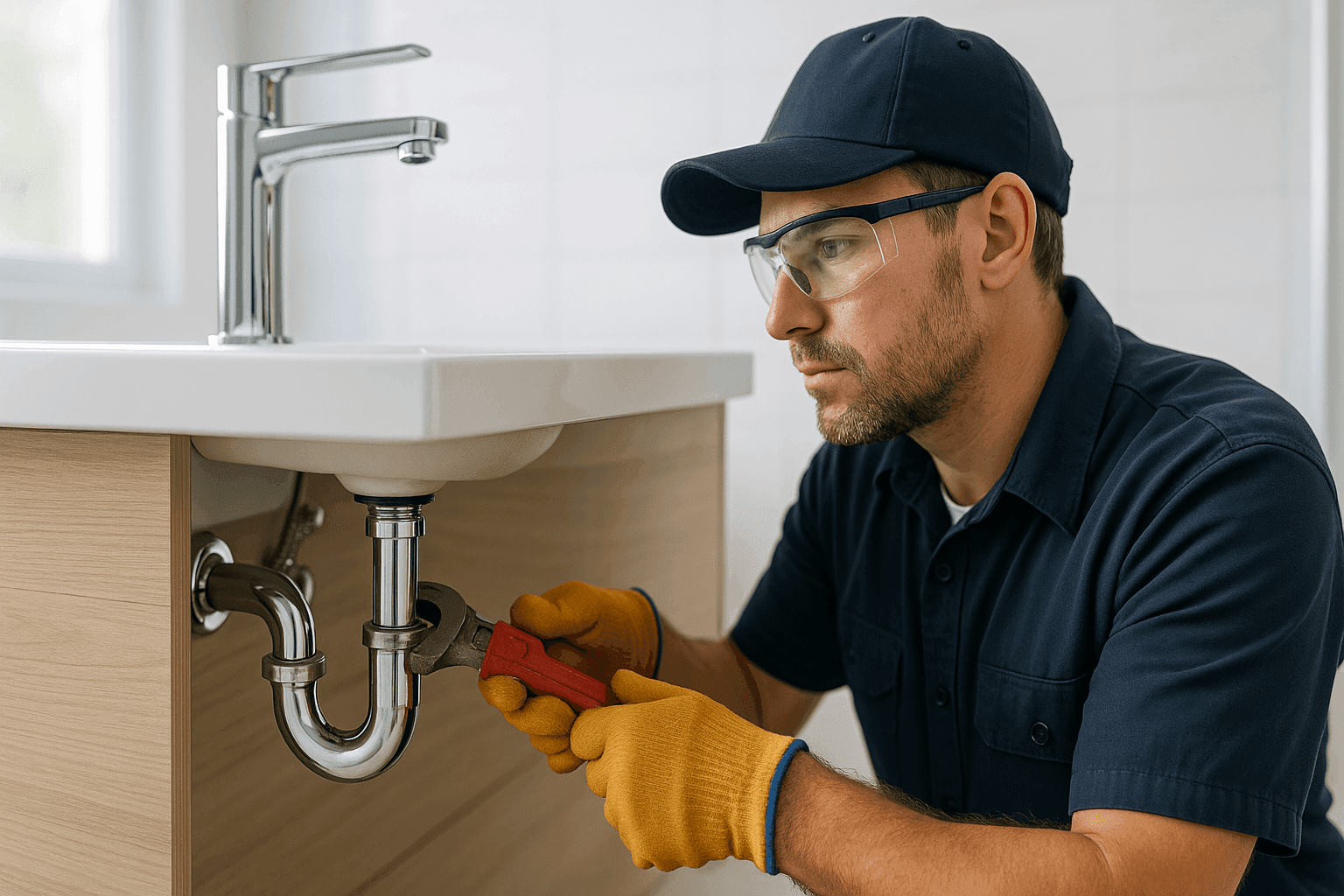
Have you ever stood ankle-deep in shower water that won’t drain, or watched a toilet fill to the rim in slow-motion panic? Plumbing problems don’t wait for a convenient moment. At First Option Plumbing, we get it—these issues disrupt your routines and can feel overwhelming.
You don’t need a truckload of tools or decades of know-how to try a fix or two. But there are times when calling an emergency plumbing service is the safest bet. Let’s walk through common bathroom headaches, what you can do, and when it’s time to bring in the professionals.
Common Bathroom Plumbing Issues 🚿
Bathroom plumbing is a web of pipes, valves, and fixtures—all working behind the walls and under the floors. Most problems start small, like a whisper in the pipes, but can turn into a roar if left unchecked.
The usual suspects in residential bathrooms:
- Clogged drains or slow draining sinks
- Dripping faucets
- Running or overflowing toilets
- Low water pressure (especially in older homes or hard water areas)
- Leaky pipes or fixtures
- Water pooling around the base of toilets or tubs
- Unusual sounds—gurgling, banging, or whistling
Just as a small leak can sink a big ship, ignoring these signals can cause damage well beyond a bathroom.
Quick Safety Checklist
Before you reach for a wrench or plunger, pause. A little caution goes a long way. According to the International Association of Certified Home Inspectors (InterNACHI) and local plumbing codes, here’s what to keep in mind:
- Turn off the water supply to the affected fixture.
- Use insulated gloves if working near electrical outlets or lights.
- Never mix chemical drain cleaners—fumes can be dangerous.
- Ventilate the area if using cleaning products.
- Keep a first aid kit nearby for minor cuts or scrapes.
- If you smell gas, leave the area immediately and call emergency services.
- Know where your main water shut-off valve is located.
A bathroom isn’t just a room of pipes—it’s a space where water, electricity, and sometimes gas meet. Safety first, always.
DIY Solutions (Sinks, Toilets, Showers)
Some problems are as simple as a loose screw or a hairball stuck in the drain. Here’s how you can tackle common bathroom headaches with household tools and eco-friendly options.
Clogged Sink or Shower Drain
- Remove visible debris: Unscrew the drain cover and pull out hair or sludge with a bent wire or plastic drain snake.
- Baking soda and vinegar: Pour half a cup of baking soda, followed by half a cup of vinegar. Wait 15 minutes. Flush with hot water.
- Plunge gently: Use a cup plunger (not the one for toilets), creating a tight seal.
Avoid harsh chemical drain openers—they can corrode old pipes and harm the environment.
Leaky Faucet
- Turn off the water supply under the sink.
- Pry off the handle cap and tighten any loose screws.
- Replace worn washers or O-rings using a screwdriver and adjustable wrench.
- Reassemble, turn the water back on, and check for drips.
Running Toilet
- Remove the tank lid: Check if the flapper seal is warped or dirty.
- Adjust the float: If the water level is too high, bend the float arm slightly downward.
- Replace the flapper if it looks brittle or doesn’t seal.
Low Water Pressure
- Clean the aerator: Unscrew the faucet tip and rinse out sediment.
- Check for leaks: Even pinhole leaks can rob pressure.
- If you have hard water, mineral buildup is a common culprit. Soak showerheads in vinegar overnight.
Shower Drips After Shutoff
- Check the cartridge: Most modern showers use a cartridge valve—if it’s worn, water will keep leaking.
- Follow manufacturer guidelines or consult resources like the Uniform Plumbing Code for disassembly steps.
If these steps don’t resolve the issue or things feel dicey, step back. Your safety—and your home—are worth more than a quick fix.
Preventing Recurring Problems
Prevention isn’t magic—it’s routine. Think of bathroom plumbing like car maintenance. A little attention now keeps breakdowns at bay.
- Install drain screens to catch hair and soap chunks.
- Flush only toilet paper and human waste. Even “flushable” wipes can cause clogs.
- Run hot water through drains weekly to discourage buildup.
- Inspect under sinks and around toilets every month for signs of leaks or moisture.
- Test shut-off valves (turn them off and on) twice a year to ensure they’re not stuck.
- If you live in a hard water region, consider a water filtration or softener system to reduce mineral deposits.
A quick five-minute check-in can save hours—and dollars—down the road.
When to Hire a Plumber
DIY fixes are great for surface issues, but some problems need a licensed hand.
Call a plumber if you notice:
- Persistent leaks, even after tightening or replacing parts
- Water pooling from unknown sources
- Sewage smells coming from drains
- Low water pressure throughout the house (not just one fixture)
- Burst pipes or major water damage
- Gas smells or hissing near gas lines
- Backflow (water flowing the wrong way in pipes)
- Rusty, discolored, or foul-smelling water
These signs often point to deeper issues—hidden leaks, pipe corrosion, or backflow risks—which can threaten health and safety.
What Pros Do On Arrival
When you call First Option Plumbing for emergency plumbing or Drain Cleaning near you, here’s what happens:
- Assessment: We inspect visible and hidden areas for leaks, corrosion, or blockages.
- Specialized tools: Video cameras for sewer lines, pressure gauges, and leak detection equipment.
- Code-compliant repairs: All work follows local building codes and safety guidelines.
- Cleanup: No mess left behind.
We don’t just patch the symptom. We look for the root cause—so problems don’t come back to haunt you.
Prevention & Maintenance Tips
Stay ahead of trouble with these habits:
- Never ignore slow drains. They’re warning signs, not quirks.
- Schedule annual inspections—especially in older homes with galvanized or copper pipes.
- Replace hoses and supply lines every 5–7 years, or sooner if you notice bulges or corrosion.
- Check for condensation: Moisture on pipes or tanks can signal leaks or poor insulation.
- Upgrade old fixtures: Newer, water-saving models reduce strain on your plumbing.
The Environmental Protection Agency (EPA) recommends regular leak checks to save water and avoid costly repairs. Small drips can waste gallons over time.
Costs & Time Factors
Plumbing repairs aren’t one-size-fits-all. Simple clogs might take 30 minutes and minimal tools. Replacing pipes or fixing hidden leaks can take several hours, especially in older homes with layers of repairs.
- DIY fixes: Often cost just a few dollars for supplies.
- Professional repairs: Range from minor fixture replacements to complex sewer line work. Time and cost depend on problem severity and home age.
- Emergency plumbing: After-hours or weekend calls are typically more expensive, but waiting can mean more damage.
Always weigh the risk: a small leak today could mean major repairs tomorrow.
When It’s an Emergency
Some situations can’t wait. Treat these as red alerts:
- Burst pipes or major water leaks
- Sewage backup into sinks or tubs
- No water supply to your bathroom
- Overflowing toilets that can’t be stopped
- Gas leaks or smells near bathroom appliances
Turn off your main water (and gas, if needed), then call for emergency plumbing help. Protect your home and your health.
FAQ
Can I unclog a drain with baking soda and vinegar?
Yes, for minor clogs. It’s a safe, eco-friendly way to break down organic buildup. For stubborn blockages, call a pro.
How do I know if a leak is serious?
If you see water staining, hear dripping in walls, or notice a sudden spike in your water bill, the leak may be hidden and serious.
Is it safe to use chemical drain cleaners?
Most experts recommend against it. They can damage pipes, especially older ones, and harm the environment.
How often should I have my bathroom plumbing inspected?
Once a year is a good rule, especially if you have older pipes or live in a hard water area.
Local/Seasonal Considerations
Living with hard water? Mineral buildup can choke pipes and ruin fixtures, especially in older homes with galvanized plumbing. Winter freezing? Pipes in exterior walls need insulation to avoid bursts.
In some areas, water main replacements and seasonal shifts can change water pressure or introduce sediment. Regularly check for changes in water clarity and flow.
If you’re in a neighborhood with historic homes, keep an eye on pipe material—lead, galvanized steel, or aging copper can all develop problems as they age.
Plumbing problems don’t have to ruin your day. Try simple DIY solutions when it’s safe—but don’t hesitate to call in the professionals for bigger issues.
Call First Option Plumbing now — or reach us anytime at 877-748-7505 .